
HOW WE TREAT MEAT HAS TO CHANGE FOR THE CLIMATE, HEALTH, THE ENVIRONMENT AND OF COURSE THE ANIMALS.
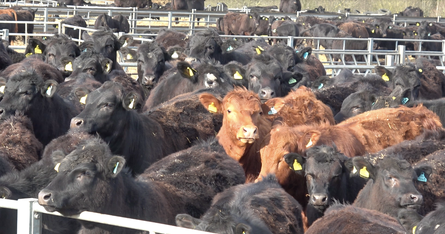
Late last year, Madre Brava, an environmental research and advocacy group, commissioned a poll of 7,500 consumers across the US, the United Kingdom, Germany, France, and Brazil, asking which industries and environmental issues they thought were the biggest contributors to global warming. People generally ranked industrial meat production as one of the smallest contributors, even though it’s one of the largest. The tens of billions of chickens, pigs, cows, and other animals we raise and slaughter for food annually account for around 15 percent of global greenhouse gas emissions, primarily from cow burps, animal manure, and the fertilizer used to grow the corn and soy they eat. More than one-third of the Earth’s habitable land is used for animal farming — much of it cleared for cattle grazing and growing all that corn and soy — making animal agriculture the leading cause of deforestation and biodiversity loss globally. Deforestation causes emissions itself, but it also represents a missed opportunity to sequester carbon. If that land were “rewilded,” or retired as farmland, it would act as a carbon sink, sucking massive amounts of climate-warming carbon out of the atmosphere. But we keep clearing more and more forestland, especially in the Amazon rainforest and elsewhere in the tropics, mostly for beef, pork, and poultry.


