
DROUGHT THE NEW PANDEMIC.
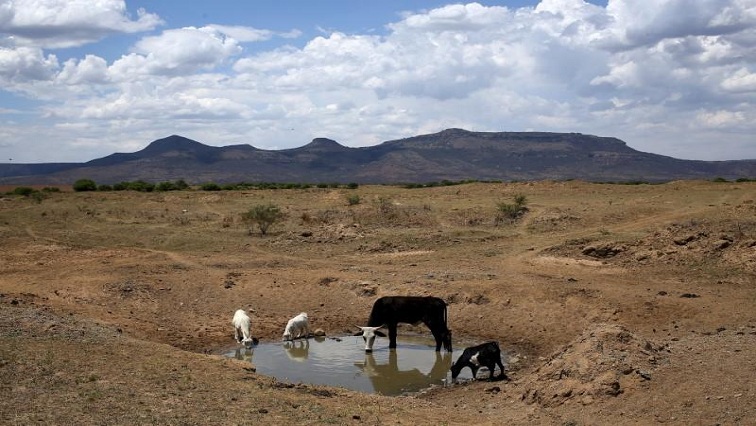
Yet, from the Yellow River in China to the Colorado River in the United States, many rivers no longer reach the sea. Often artificially straightened and dammed, water is sucked out and channelled off to supply farms, industries and households. Great lakes, from the Aral Sea in central Asia to Lake Urmia in Iran, have nearly disappeared. Groundwater aquifers, from the Ogallala and Central Valley in the US to India’s Upper Ganges and Pakistan’s Lower Indus, are being depleted faster than they can refill. The remaining freshwater is increasingly polluted with sewage and fertilisers, causing algal blooms that smother and choke ecosystems. Covid brought water issues into sharper focus. “It’s not like Covid woke us up to the need for water for hygiene; we already knew that,” Gary White, CEO of Water.org, told me. “But I certainly think we hadn’t seen the lack of access to water and sanitation as a global crisis before. When somebody [being unable to] wash their hands in one country becomes the critical link to the spread of disease, then suddenly water and hygiene becomes a global risk.” In June 2021, Mami Mizutori, the UN secretary general’s special representative for disaster risk reduction, said: “Drought is on the verge of becoming the next pandemic, and there is no vaccine to cure it.” The good and bad news is that water crises are usually caused by human mismanagement, not climate. But, as climate breakdown bites, precipitation patterns change and climate refugees are forced to move, the timeframe to get our act together is becoming ever shorter. We are currently using up the water sources on which our very existence relies. We can continue doing that until the very last drop. Or we can decide to change our approach before it’s too late. The world isn’t running out of water – people are.


