SOLAR IS GOOD BUT IT NEEDS CARE AND ATTENTION.
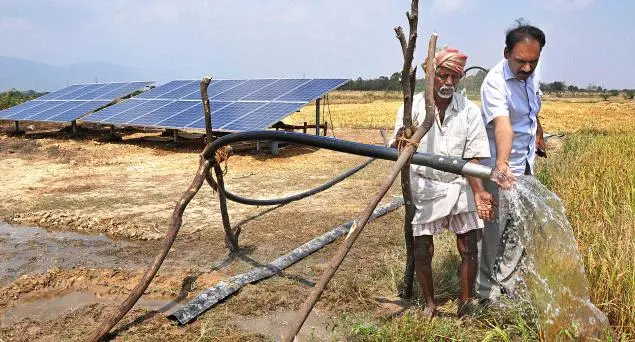
Over the past three decades, India has installed thousands of mini solar grids across the country, mostly in remote villages yet to be reached by traditional electric power. And it is in the country particularly, where much of the increase in electrical power is fuelled by coal, that the decentralised infrastructure – including panels on roofs, electric water pumps and streetlights and local distribution networks – has been touted as a way to electrify the poorest areas and augment the country’s transition away from fossil fuels. However, what has been happening is that charities and NGOs have been installing these schemes in remote villages “at breakneck speed”, with scant planning for how to maintain them in the years to come. Predictably, maintenance has proved to be more than unsophisticated and poorly equipped local government workers can handle, leaving deserted panels and batteries far and wide. It would be wrong, though, to suppose that India was alone in facing the challenge of solar power maintenance. And nor is the issue a new one. A team of Dutch researchers reported in 2017 that in a sample of 29 solar systems in sub-Saharan Africa, only three were fully working. The reasons cited for failure always pointed to the same challenges: an absence of local maintenance expertise and a lack of acceptance. In Uganda – where the World Bank, the EIB and others provided loans worth tens of millions of dollars to provide solar technology, only to have the government find that 80 percent of its 12,000 local solar connections in health-care centres were out of service. Oil-rich Nigeria, where 70 percent of the population does not have access to the national grid, suffered widespread failures, with experiences reported that were not dissimilar to those in India. this is a repeat of the tragedy from decades ago when third world farmers were given tractors but not told they needed fuel.